Research·
Self‑Organizing Neural Networks Build Their Own Learning Machinery
MIT researchers demonstrate that artificial neural networks can reorganize themselves using only simple local rules, offering a new lens on biological learning and potential guidance for brain‑computer interfaces.
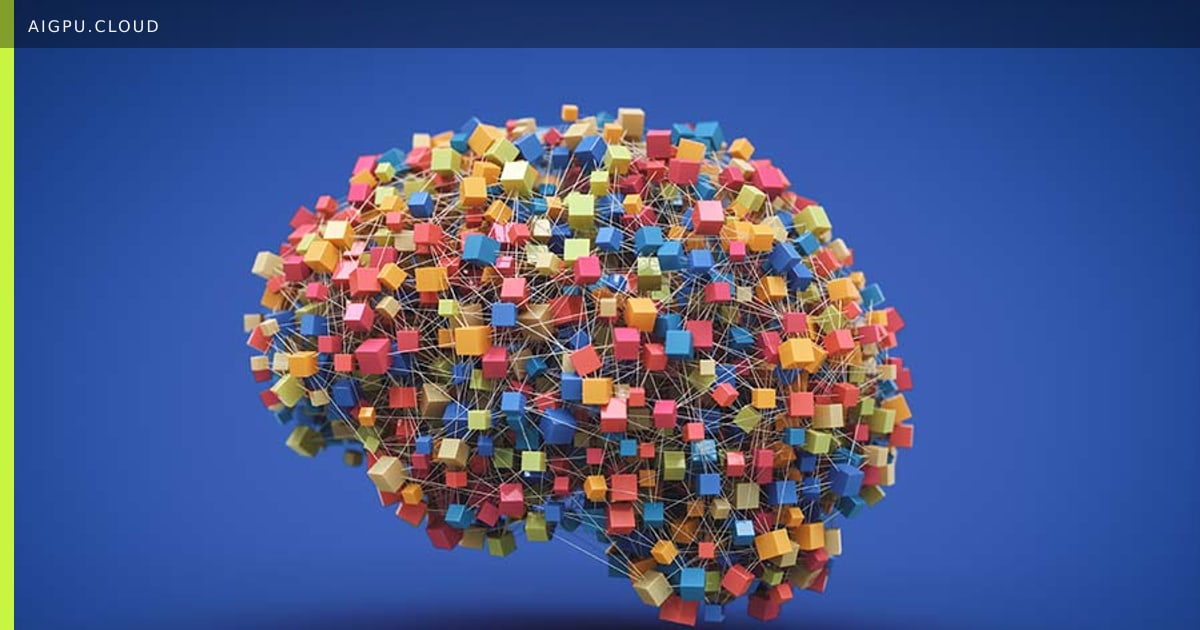
Scientists at MIT’s McGovern Institute and the K. Lisa Yang ICoN Center have shown that a randomly connected group of units can evolve into an effective information‑processing network when given only basic instructions on how and when synapses should change.
Unlike conventional deep‑learning models that rely on a globally defined back‑propagation algorithm designed by engineers, the new approach lets each unit adjust its connections based on local activity and a simple plasticity rule. The network spontaneously discovers useful representations as it trains on data.
Qianli Liao, a postdoctoral fellow and co‑first author, emphasizes that the brain lacks an external architect; it must self‑organize through comparable local mechanisms. Understanding these rules could illuminate how learning is disrupted by aging or disease.
Why it matters for GPU and AI infrastructure
Self‑organizing networks reduce the need for massive labeled datasets and centralized training pipelines, potentially lowering compute demand on GPU clusters. They also suggest new hardware architectures that support on‑chip, event‑driven plasticity — an area where AiGpu’s flexible GPU cloud can accelerate experimentation.
- aigpu
- ai gpu
- ai gpu cloud
- aigpu dubai
- self-organizing networks
- neuroscience
- machine learning
By AiGpu Editorial · Editorial rewrite based on public reporting (MIT News AI)
← All articles