Policy·
Trump's Push to Rebrand AI as "Super Intelligence" Faces Skepticism
The White House has ordered federal agencies to replace the term "artificial intelligence" with "super intelligence," but analysts doubt the linguistic shift will ease public concerns or alter investment priorities.
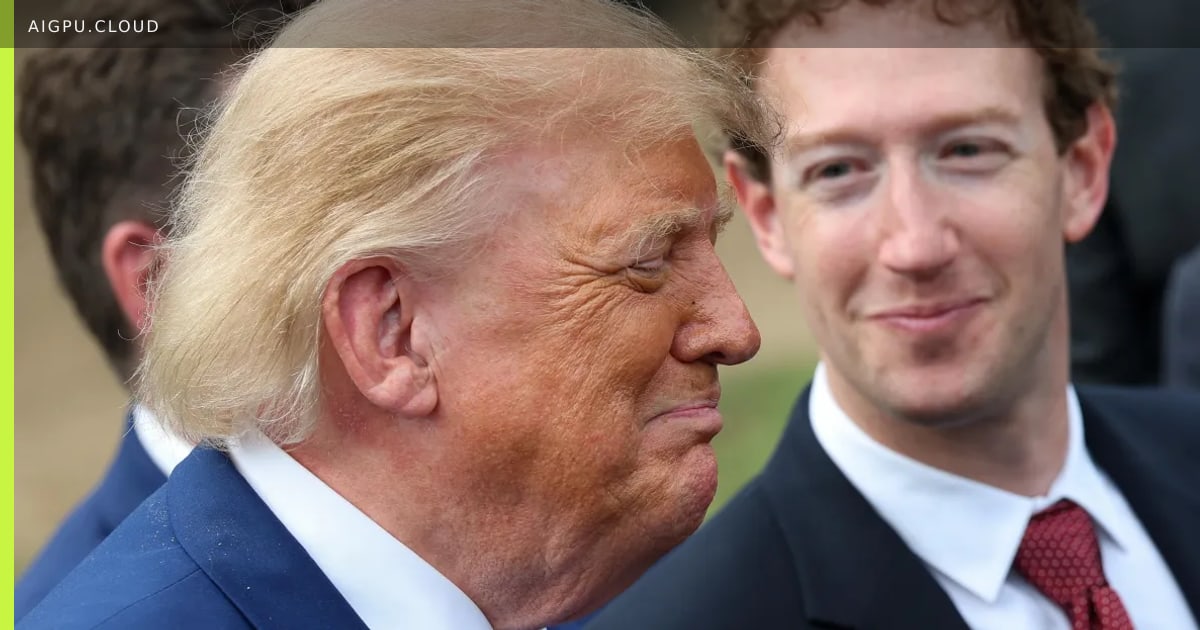
President Donald Trump has issued an executive order that bans the phrase "artificial intelligence" from official communications, insisting the technology be called "super intelligence" instead. The move follows a United Nations speech where he claimed the word "artificial" makes intelligence sound fake.
Federal bodies have already complied: the Center for AI Standards and Innovation became the Center for Advancing Innovation and Standards for Super Intelligence, and Justice Department press releases now reference "Super Intelligence‑Assisted" crimes.
Major tech leaders — including Elon Musk, Jeff Bezos, Jensen Huang, and Sam Altman — have publicly endorsed the new terminology, though OpenAI said it will keep its name unchanged.
Why it matters for GPU and AI infrastructure
Rebranding does not change the underlying compute demand. Data‑center operators and GPU cloud providers such as AiGpu still need to plan for the same training and inference workloads, regardless of the label. Policy language can affect procurement rules, export controls, and funding programs, so infrastructure buyers should monitor whether the new term triggers regulatory shifts.
In practice, the rename is a political signal rather than a technical milestone. Investors and engineers should focus on capacity, energy efficiency, and supply‑chain stability rather than the vocabulary used in press releases.
- aigpu
- ai gpu
- ai gpu cloud
- aigpu dubai
- policy
- rebranding
- superintelligence
- infrastructure
By AiGpu Editorial · Editorial rewrite based on public reporting (The Verge AI)
← All articles